Photo Tip - Fill the Frame
Fill the Frame: Transform Your Photos with This Simple Composition Tip
Unlocking Impactful Images by Mastering One Crucial Technique
Great photography isn’t just about having the fanciest camera or the most exotic locations. Sometimes, it’s the simple, intentional steps that make your photos stand out. In a recent video, Corey shared a gem that can instantly elevate your images: fill the frame. Let’s dive deeper into this concept and explore how you can use it to transform your photography.
Why Composition Matters
Before focusing on the technique itself, it’s essential to understand why composition is foundational to strong photography. As Corey points out, how you arrange the elements in your frame determines the story your photo tells. A well-composed photograph draws viewers’ attention where you want it, eliminates distractions, and delivers a clear message or feeling.
Composition is your visual language—every choice you make about framing, angle, and background plays a part. Without intentional composition, even technically perfect photos can fall flat.
What Does "Fill the Frame" Mean?
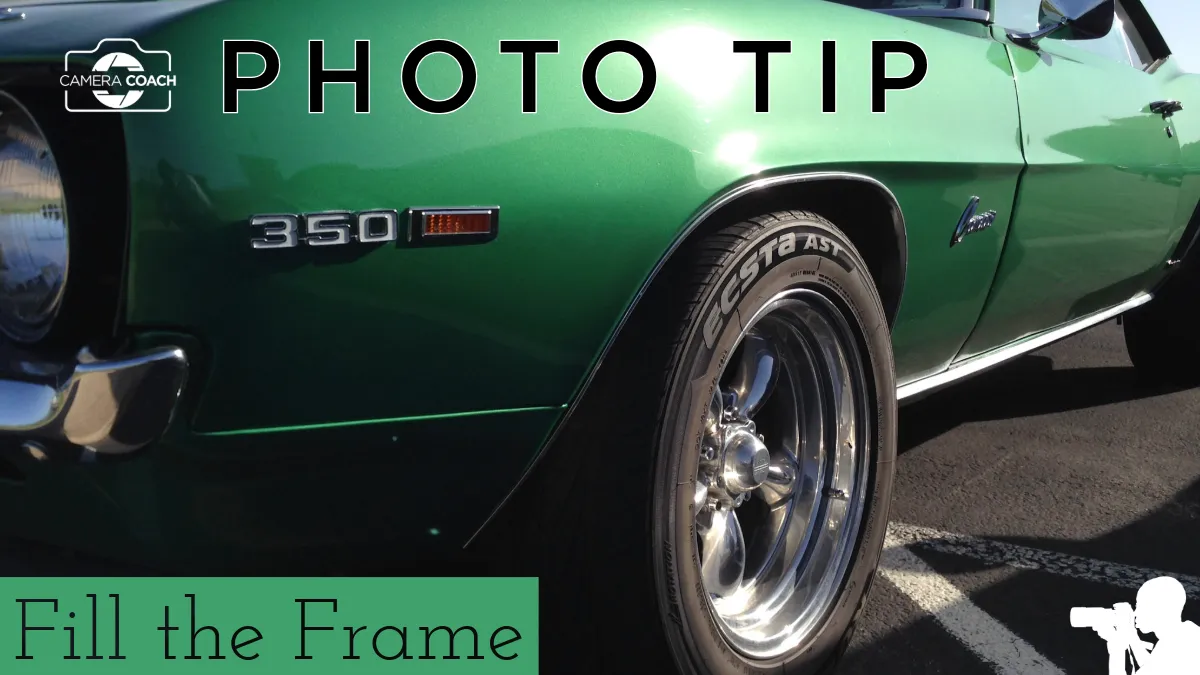
When Corey says “fill the frame,” he’s advocating for being deliberate about making your subject the unmistakable star of your photo. As he explains (at 00:00:21), you want your subject “to take up the majority of the space” in your shot, ensuring it’s “large and in charge, right. Like, it is the main thing.”
In practical terms, this means zooming in, moving closer, or cropping so the subject dominates the image. There should be minimal “competition” from other elements in the frame (00:00:33), leading the viewer’s gaze straight to what matters most.
The Impact: Reducing Distractions and Increasing Focus
One of the main benefits of filling the frame is that it automatically reduces background distractions (00:00:42). Stray objects, busy patterns, or irrelevant scenery can dilute the impact of your photo. By making your subject occupy more space, you minimize the chance for background elements to vie for attention.
As Corey demonstrates, filling the frame “alleviates a little bit of the distraction in the background, all the other things, and it makes sure that you have high impact just showing the subject.” (00:00:42) This approach works for all kinds of photography, from portraits to pet shots to macro images.
When to Fill the Frame
This technique is especially powerful for subjects that benefit from intimacy or highlight: babies, small animals, flowers, or anything that might get lost in a wide landscape (00:00:54). By removing visual noise, you let the personality or detail of your subject shine.
However, as Corey reminds us at 00:01:01, filling the frame isn’t limited to small things. You can apply this idea to large subjects—think of shooting just the face of a statue, a segment of a building, or a close-up of hands at work.
Creative Variations: Partial Subjects
A crucial insight from Corey is that “You don’t always have to have the entire subject in there” (00:01:06). Sometimes, an image is more powerful when you crop in creatively. Focus on details: a baby’s feet, a musician’s hands, a single petal of a flower. This partial perspective can add intrigue and artistry to even ordinary scenes. The goal isn’t always to have the entire subject in the shot, but rather the most interesting or important part.
Practice Makes Perfect
If you’re curious about how to best apply this, try experimenting:
Take a wide shot, then another with the subject filling the frame. Compare the difference in impact.
Practice with different subjects: people, pets, objects, or even textures.
Don’t be afraid to crop tighter than feels comfortable—sometimes that’s where the magic happens.
You can even swap samples with other photographers for feedback and inspiration.
Final Thoughts
Filling the frame is a straightforward yet transformative technique. By being intentional—moving in, zooming, or cropping—you can create photos that command attention and communicate clearly. Next time you lift your camera, pause and ask:Is my subject truly the star, or is it getting lost in the clutter?Try this tip and experience the difference for yourself.
Demo & Samples